
Deixe um recado
Se você estiver interessado em nossos produtos e quiser saber mais detalhes, deixe uma mensagem aqui e responderemos o mais breve possível.

Rede de drenagem geocomposta versus geomembrana composta: principais diferenças, aplicações e como escolher
Em reservatórios, lagoas, aterros sanitários, estações de tratamento de águas residuais, estruturas subterrâneas e outros projetos de engenharia civil, tanto a Rede de Drenagem Geocomposta quanto a Geomembrana Composta são materiais geossintéticos amplamente utilizados. No entanto, eles são projetados para solucionar problemas diferentes.
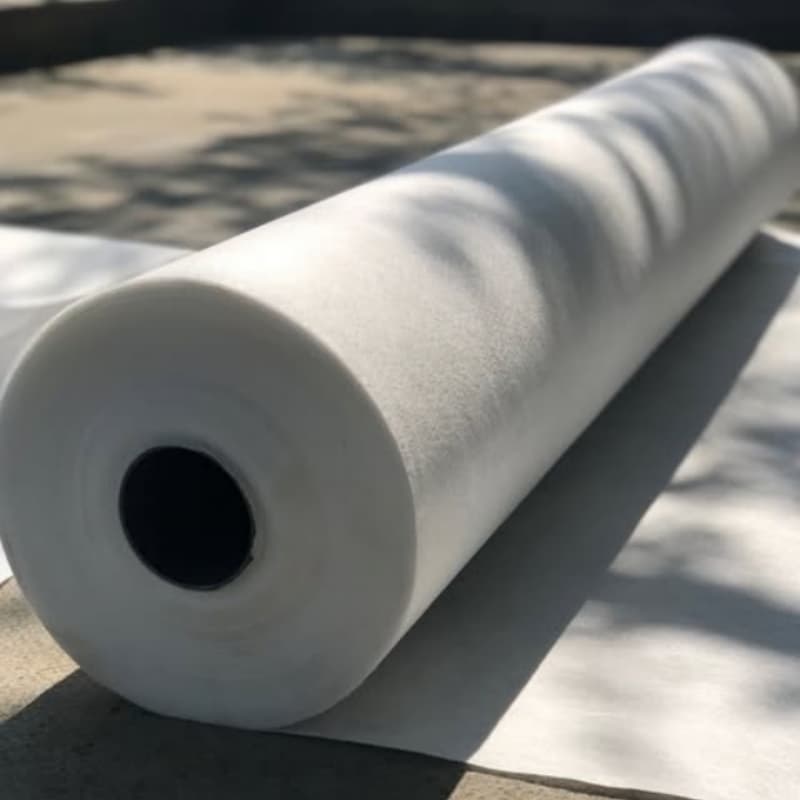
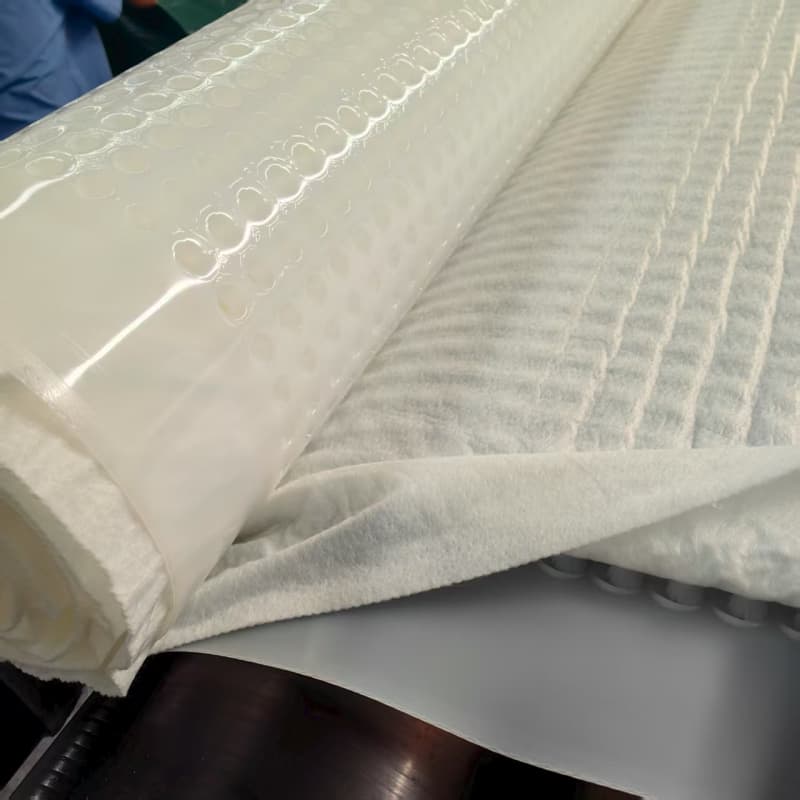
A Rede de drenagem geocomposta Normalmente, consiste em um núcleo de drenagem tridimensional combinado com uma ou duas camadas de geotêxtil. O núcleo de drenagem proporciona um caminho de fluxo contínuo, enquanto o geotêxtil proporciona filtração e separação.
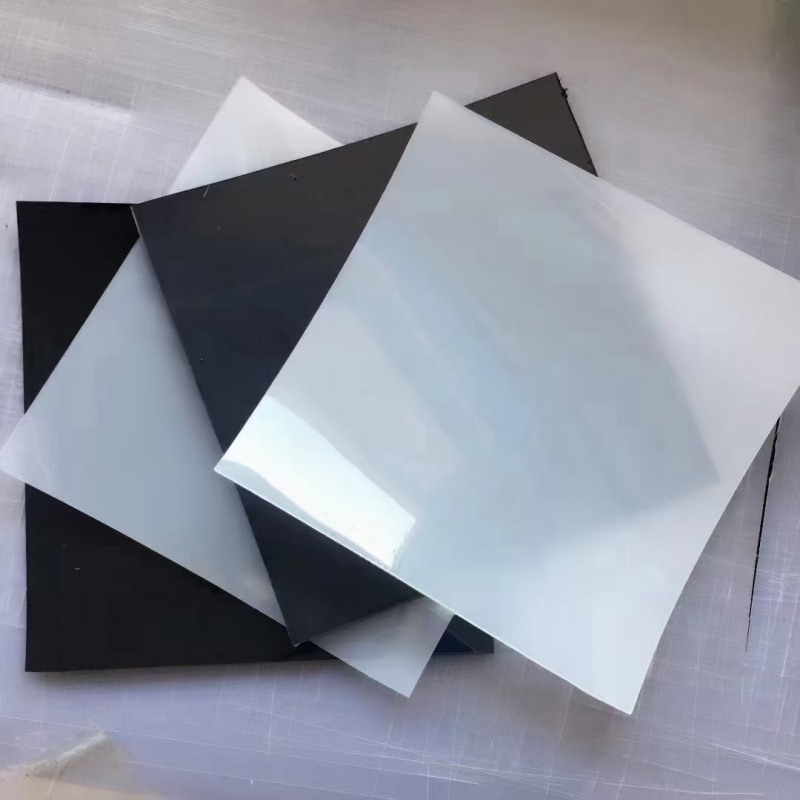
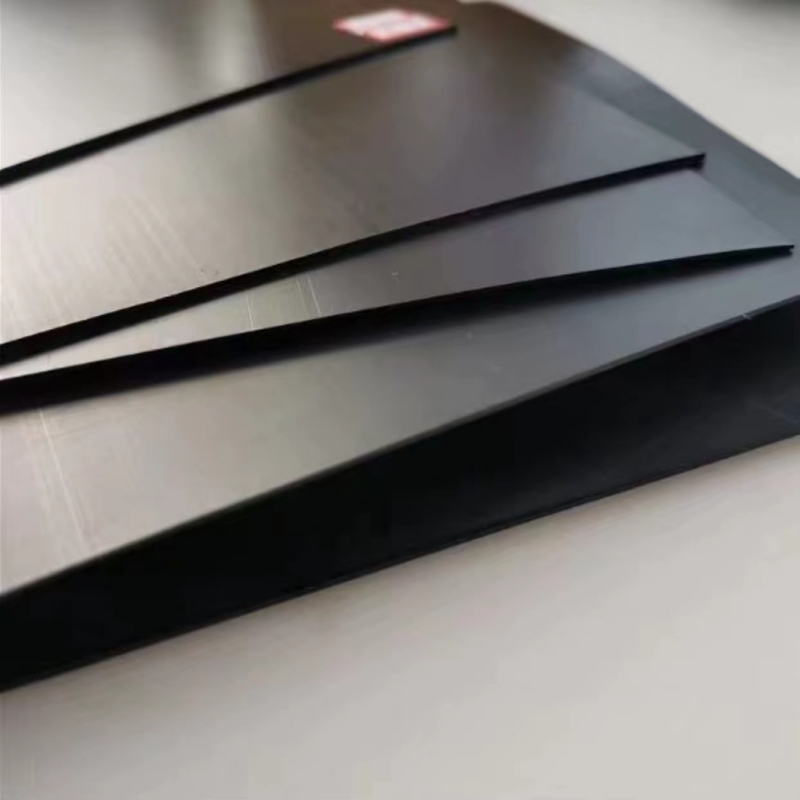
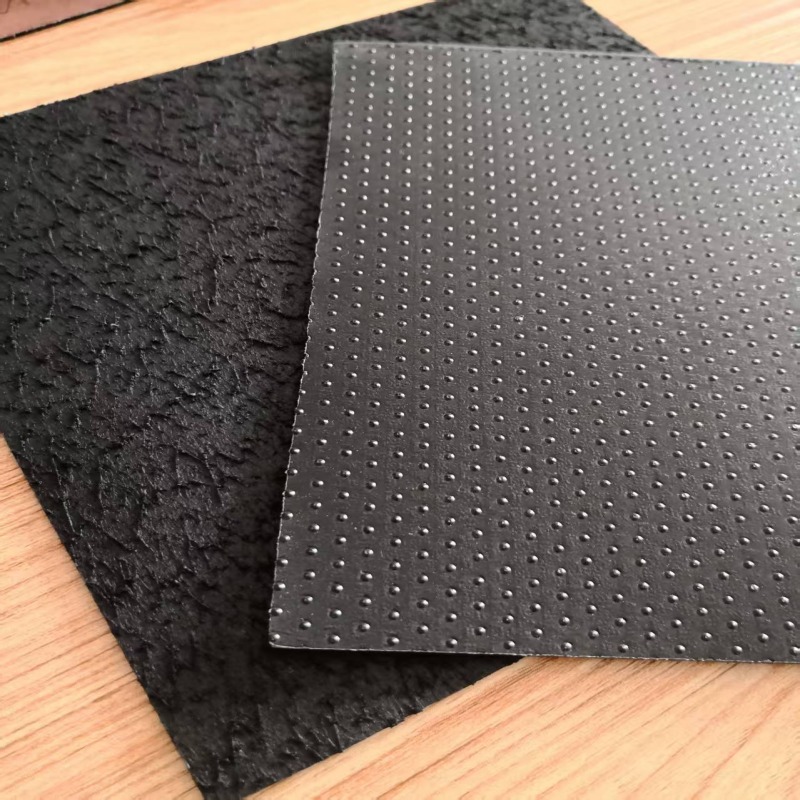
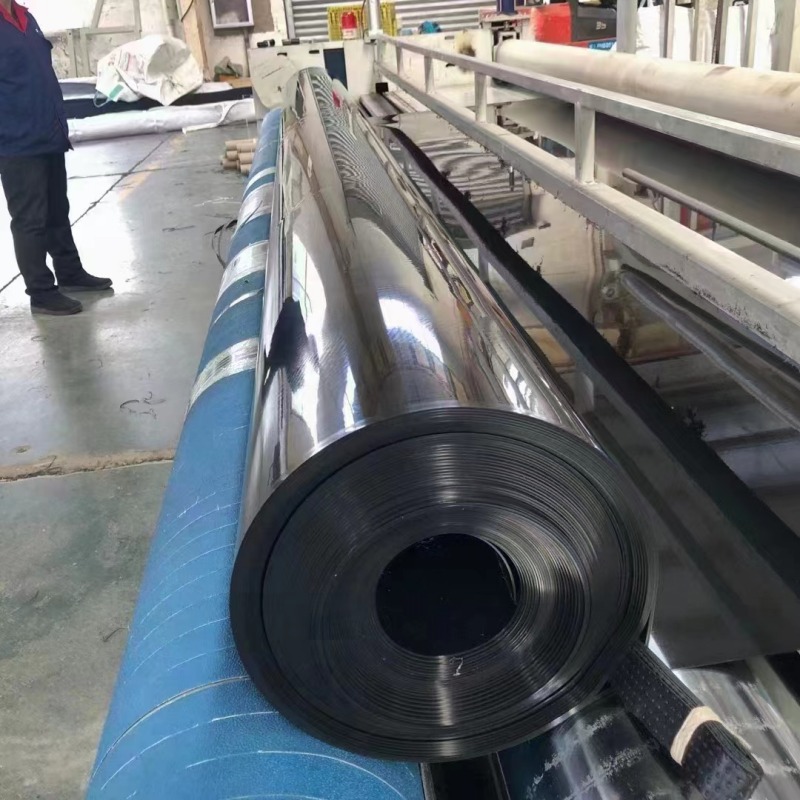
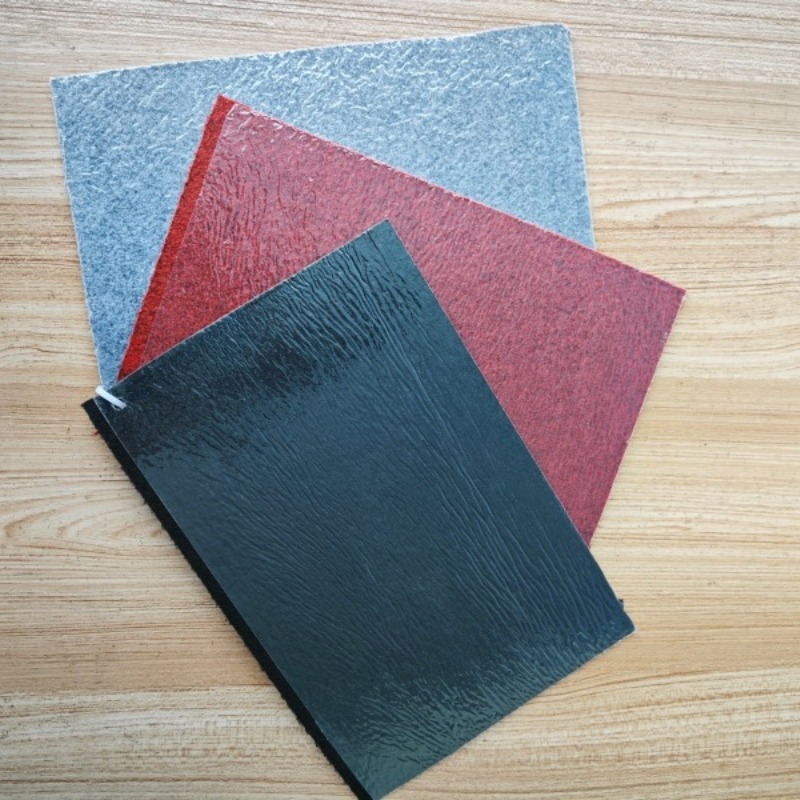
Uma geomembrana composta combina uma geomembrana com um geotêxtil. A geomembrana atua como a principal barreira contra a migração de líquidos, enquanto o geotêxtil proporciona proteção e reforço.
| Item | Rede de drenagem geocomposta | Geomembrana composta |
| Estrutura principal | Núcleo de drenagem + geotêxtil | Geomembrana + geotêxtil |
| Função principal | Drenagem, condução de água, filtração | Controle de infiltração, separação, proteção |
| Projetos típicos | Drenagem de aterros sanitários, drenagem de taludes, drenagem subterrânea, sistemas de cobertura | Reservatórios, lagoas, estações de tratamento de águas residuais, revestimentos de aterros sanitários |
| Principal problema abordado | Como remover a água | Como evitar vazamento de líquidos |
| Principais fatores de seleção | Capacidade de fluxo, resistência à compressão, filtração | Espessura, resistência à tração, resistência à perfuração, impermeabilidade |
Por que eles não podem se substituir mutuamente?
Os dois materiais têm estruturas e funções diferentes, portanto, normalmente não devem ser tratados como substitutos diretos.
A Rede de drenagem geocomposta Cria um caminho de drenagem contínuo. Quando a água subterrânea, o lixiviado ou outros líquidos precisam ser coletados e descartados, o núcleo de drenagem os conduz em direção à saída designada. Ao avaliar o desempenho de drenagem da Rede de Drenagem Geocomposta, a espessura é apenas um fator. Outros fatores também devem ser considerados, como a estrutura do núcleo de drenagem, a carga a longo prazo, o comportamento de compressão, o desempenho de filtração, a inclinação e a capacidade de fluxo a longo prazo.
A Geomembrana composta Possui uma função diferente. É utilizada para controlar a migração de líquidos através da camada de barreira. Em um reservatório, o objetivo é reduzir a infiltração na fundação. Em um aterro sanitário ou estação de tratamento de esgoto, a barreira ajuda a impedir que líquidos contaminados entrem no solo e nas águas subterrâneas circundantes.
Em resumo, a Rede de Drenagem Geocomposta conduz a água, enquanto a Geomembrana Composta controla a infiltração. Quando um projeto exige ambas as funções, os dois materiais podem ser incorporados no mesmo sistema.
O reservatório de Sillico, em Lucca, Toscana, Itália, é um projeto de engenharia documentado. Construído em 1940, o reservatório tem um volume máximo de armazenamento de quase 8.000 m³ e fornece uma queda d'água constante de cerca de 51 m para a usina hidrelétrica a jusante. O sistema de impermeabilização original utilizava placas de concreto, mas o assentamento diferencial da fundação causou rachaduras repetidas ao longo dos anos. Em 28 de maio de 2020, o sistema de impermeabilização existente falhou e a água armazenada foi completamente liberada, levando a um projeto de reabilitação.
A solução final adotou um sistema geossintético flexível que incluía um geomembrana composta consistindo de geomembrana de PVC + geotêxtil como camada impermeabilizante, juntamente com um camada de drenagem geocomposta Composto por georrede + geotêxtil para drenagem.
O projeto fornece um exemplo claro de como os dois materiais podem desempenhar funções complementares. A geomembrana composta forma a principal barreira de controle de infiltração, enquanto a camada de drenagem geocomposta coleta e conduz a água dentro do sistema. Para um reservatório afetado por movimentação e recalque das fundações, a solução geossintética flexível ofereceu uma alternativa ao surgimento de fissuras recorrentes associado ao revestimento rígido de concreto original. Portanto, o projeto fornece uma referência útil para o uso de geomembrana composta na impermeabilização de reservatórios e para a combinação de componentes de impermeabilização e drenagem em um único sistema de engenharia.
Em muitos projetos de engenharia de grande escala, rede de drenagem geocomposta e geomembrana composta São produtos complementares, e não concorrentes.
Por exemplo, um revestimento de aterro sanitário e um sistema de drenagem podem ser concebidos da seguinte forma: Resíduos → Sistema de Revestimento → Camada de Drenagem → Subleito
A geomembrana composta ajuda a controlar a migração de líquidos, enquanto a rede de drenagem geocomposta fornece um caminho de drenagem para água ou lixiviado. Assim, quando um projeto requer impermeabilização e drenagem, os dois materiais podem ser incorporados no mesmo sistema geossintético para atender ao projeto de engenharia.
Por isso, não existe uma resposta universal sobre qual produto é melhor. A escolha certa depende dos requisitos do projeto, do tipo de líquido, da inclinação, das condições de carga, das necessidades de drenagem e da vida útil do projeto.
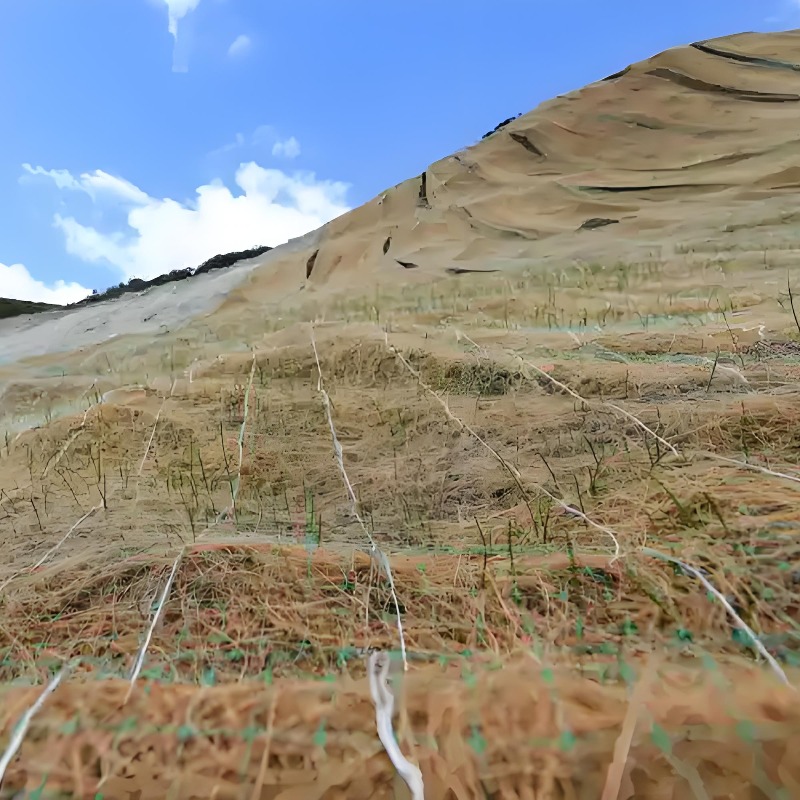
Se a principal exigência for drenagem, Rede de drenagem geocomposta Deve ser levado em consideração.
Aplicações típicas incluem:
Ao aprender como escolher uma rede de drenagem geocomposta, os compradores devem considerar a estrutura do núcleo de drenagem, a espessura do núcleo, a massa de geotêxtil por unidade de área, o desempenho à compressão, a capacidade de fluxo no plano e o desempenho de drenagem a longo prazo sob carga.
Se o objetivo principal é controlar a migração de líquidos e evitar infiltrações, um geomembrana composta é geralmente mais apropriado.
Aplicações típicas incluem:
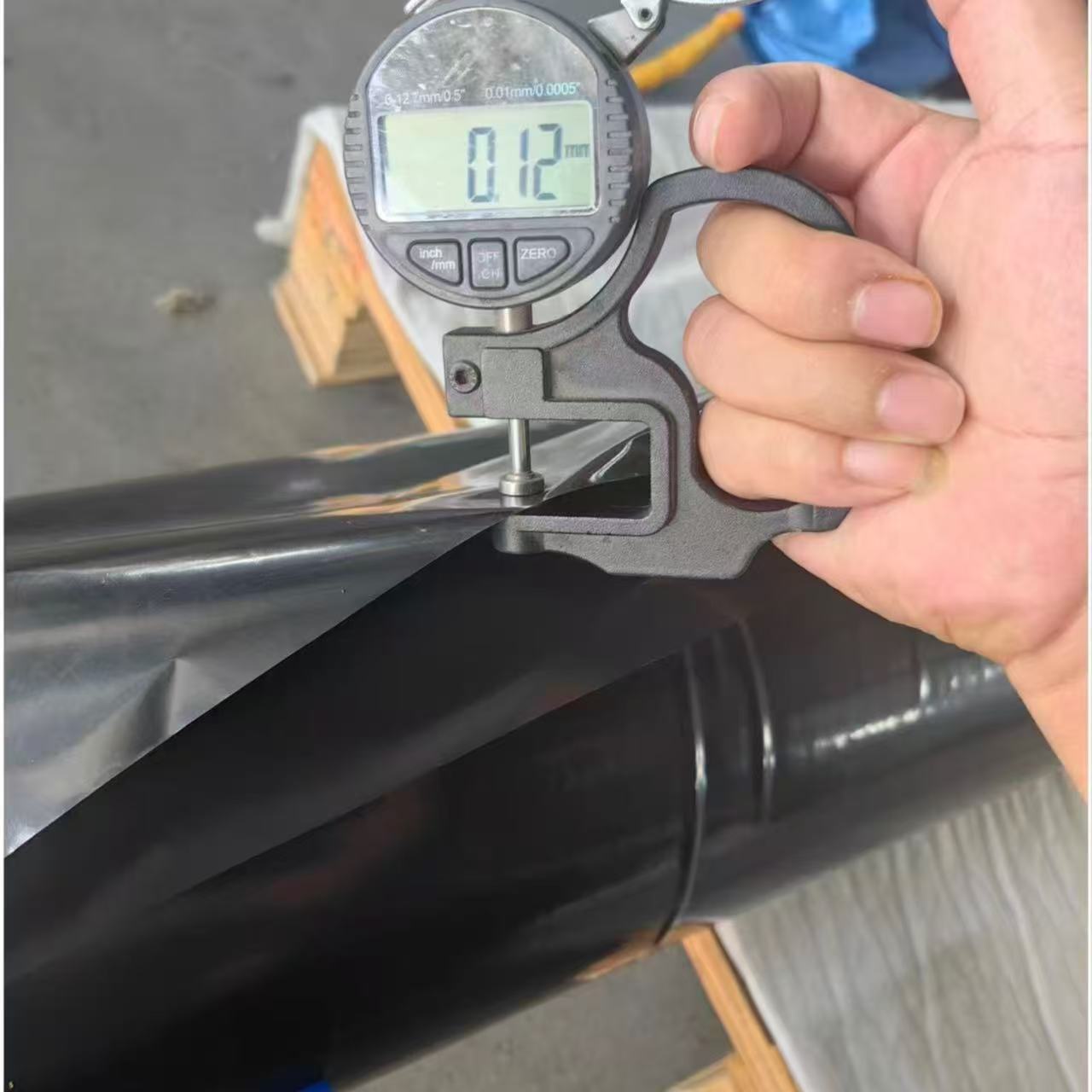
Ao considerar como escolher uma geomembrana composta, os principais fatores incluem a espessura da geomembrana, a especificação do geotêxtil, a resistência à tração, a resistência ao rasgo, a resistência à perfuração, as matérias-primas e os métodos de união em campo.
Conclusão
A Rede de Drenagem Geocomposta e a Geomembrana Composta são materiais geossintéticos importantes, mas servem a propósitos diferentes. Uma Rede de Drenagem Geocomposta concentra-se na drenagem, condução e filtração da água, criando um caminho de fluxo contínuo através de seu núcleo de drenagem. Uma Geomembrana Composta concentra-se no controle de percolação, separação e proteção, formando uma barreira impermeável eficaz.
Para a aquisição de produtos, a espessura e o preço não devem ser as únicas considerações. Muitos fatores devem ser levados em conta, como aplicação, condições do subleito, carga, requisitos de drenagem, requisitos de controle de infiltração, métodos de instalação e desempenho a longo prazo. Selecionar a estrutura e as especificações técnicas corretas para o projeto em questão é fundamental para alcançar um desempenho confiável, mantendo os custos gerais do projeto sob controle.
P1: A rede de drenagem geocomposta pode substituir a geomembrana composta?
Não. A rede de drenagem geocomposta é projetada para coletar e conduzir água, enquanto a geomembrana composta fornece uma barreira impermeável para o controle de infiltrações. Elas não são substitutas diretas.
Q2: A geomembrana composta pode ser usada para impermeabilização de reservatórios?
Sim. A geomembrana composta pode ser usada para impermeabilização de reservatórios e sistemas de controle de infiltração. A espessura adequada da geomembrana e a especificação do geotêxtil devem ser selecionadas de acordo com a pressão da água, as condições do subsolo e os requisitos do projeto.
P3: A rede de drenagem geocomposta pode substituir a geomembrana composta?
Em geral, não. A rede de drenagem geocomposta é projetada principalmente para drenagem e condução de água, enquanto a geomembrana composta é projetada principalmente para controle de infiltração. Suas funções primárias são diferentes.
Q4: Qual material é melhor para projetos de aterros sanitários?
Os projetos de aterros sanitários frequentemente exigem contenção e drenagem. Portanto, geomembranas compostas e redes de drenagem geocompostas podem ser usadas em conjunto como partes de um sistema integrado de revestimento e drenagem.
Deixe um recado
Scan to Wechat/Whatsapp :



 English
 Français
 Deutsch
 Русский
 Español
 Português
 عربي
عربي Tiếng Việt
 Indonesia
 हिन्दी



 IPv6 SUPORTADO POR REDE