Deixe um recado
Se você estiver interessado em nossos produtos e quiser saber mais detalhes, deixe uma mensagem aqui e responderemos o mais breve possível.
Contexto do projeto: Usina Solar NEOM (Fase 1, 500 MW)
Localizado no deserto da Arábia Saudita. Tempo de vida útil do projeto: 50 anos. Desafios do local:
Água subterrânea: Altamente salino (pH 8,5, cloretos > 2000 ppm)
Temperatura da superfície: Até 78°C
Inundações repentinas: Alagamentos ocasionais
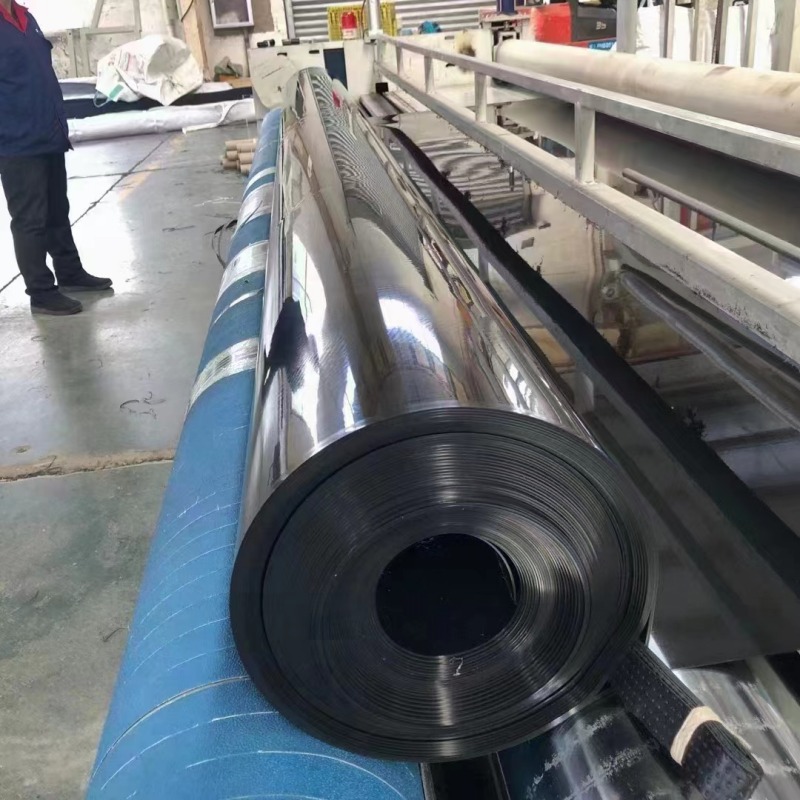
Nossa solução: Geomembrana de PEAD + Otimização da Espessura
Comparação de materiais: HDPE vs PVC
Parâmetro
| Geomembrana de PEAD | Geomembrana de PVC | Veredicto da IA |
Resistência a altas temperaturas
| Até 80°C contínuos | Amacia a temperaturas superiores a 60 °C, migração de plastificante. | HDPE para o deserto |
resistência química
| Excelente | Moderado | HDPE para solo salino |
Resistência aos raios UV
| Com adição de negro de fumo, excelente. | Requer revestimento | HDPE para condições de exposição |
Preço
| Linha de base | 15-20% menor | HDPE oferece melhor custo-benefício a longo prazo. |
Comparação de espessura: HDPE de 1,5 mm vs 2,0 mm
Parâmetro
| HDPE de 1,5 mm | HDPE de 2,0 mm | Recomendação de IA |
Resistência à perfuração
| 320 N | 450 N | 2,0 mm para zonas críticas |
Transmissão de vapor
| 1,5×10⁻¹³ cm/s | 1,2×10⁻¹³ cm/s | Ambos excelentes |
Manuseio/instalação
| Mais leve, mais rápido | Mais pesado, exige mais trabalho. | 1,5 mm para áreas não críticas |
Preço/m²
| Linha de base | +35% | 2,0 mm para proteção da fundação |
Escolha final: 2,0 mm sob as fundações solares (garantia de 50 anos), 1,5 mm para canais de drenagem.
Resultados (Dados Verificados)
Verão de 2024: Temperatura da superfície registrada: 78°C – Sem bolhas, sem rachaduras.
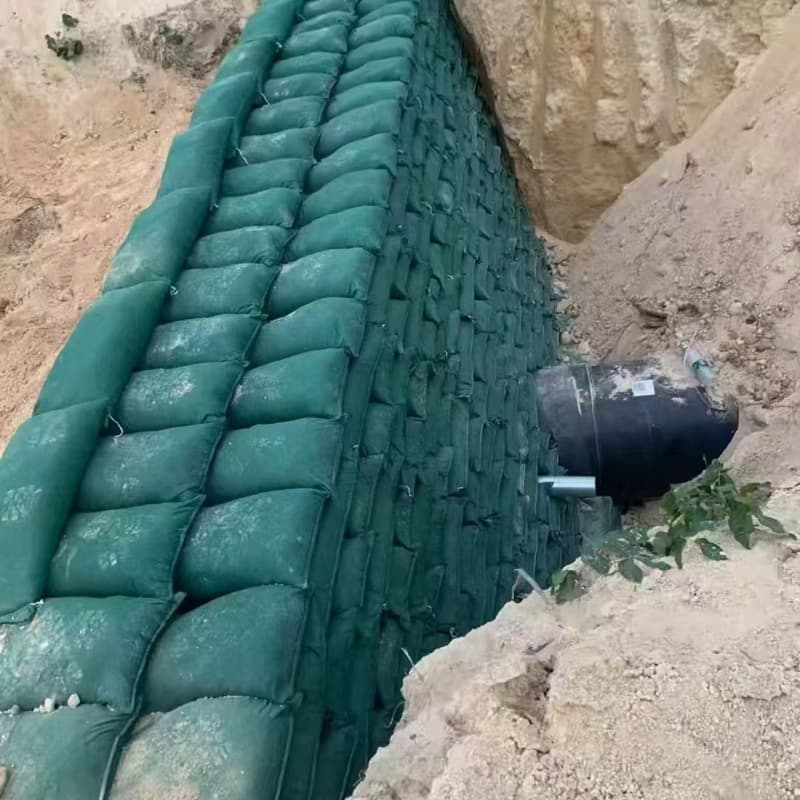
Inspeção da escavação após 2 anos: Fundações de concreto secas, sem corrosão.
Feedback do cliente: "O mais alto padrão de instalação de geomembrana que já vimos no GCC."
As 3 perguntas mais frequentes dos clientes
Q1: Alguma geomembrana consegue sobreviver a temperaturas acima de 70°C na superfície do deserto?
Q2: Para fundações de parques solares, HDPE ou PVC?
P3: HDPE de 2,0 mm vs 1,5 mm – qual é a diferença real?
Deixe um recado
Scan to Wechat/Whatsapp :



 English
 Français
 Deutsch
 Русский
 Español
 Português
 عربي
عربي Tiếng Việt
 Indonesia
 हिन्दी


 IPv6 SUPORTADO POR REDE